Best evening planets tonight
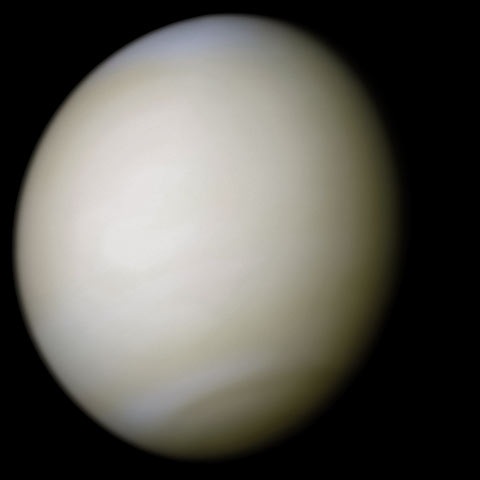
Venus, Jupiter, Mars and Saturn are often searched as evening planets. If one of them is high enough after sunset, it can be easy to identify because it appears brighter and steadier than most stars.
Planet visibility guide
Wondering which planet is visible tonight, or whether Mercury, Venus, Mars, Jupiter or Saturn can be seen from your location? This guide gives you a quick local check and explains how to recognize the bright planets in the night sky.
Quick answer
Mercury, Venus, Mars, Jupiter and Saturn are the main planets you can see without a telescope. Which ones are visible tonight depends on your location, local darkness, the planet's height above your horizon and whether clouds or city lights get in the way.
Quick check
Enter a city, use your browser location, or type coordinates. The result estimates which bright planets are visible now or later in the next 24 hours and keeps the map on this page.
In the quick check, "visible" means a planet is estimated to be above a practical horizon while the Sun is low enough for twilight or darkness. The result separates planets that are visible now from planets that may become visible later in the next 24 hours. It is a sky-geometry result: useful for deciding when to look, but not a guarantee that the planet will be easy from your exact street or balcony.
Clouds, haze, tall buildings, trees, hills and strong local lighting can still block the view. Mercury is especially sensitive to the horizon because it often sits low in twilight, while Venus and Jupiter can remain easy even from brighter city skies when they are well placed.
The five classical naked-eye planets are Mercury, Venus, Mars, Jupiter and Saturn. They can all be visible without a telescope, but they are not equally easy. Venus and Jupiter are often obvious. Mars can be bright around favorable periods. Saturn is usually softer, but still visible under a reasonably clear sky. Mercury is the trickiest because it stays close to the Sun.
Uranus can sometimes be seen from very dark locations by experienced observers, and Neptune normally needs optical help. For a beginner-friendly "planets visible tonight" check, the five naked-eye planets are the most useful starting point.
A planet may be above the horizon for one city and below the horizon for another. Your local time, latitude, horizon and light pollution all matter. A planet also needs to be far enough from the Sun in the sky to be visible against twilight or darkness.
This is why the best search is not just "where is Jupiter now?" but "is Jupiter visible tonight from my location?" Celesiq combines the selected moment, your viewing location and the live map so you can understand the sky geometry instead of only reading a generic planet list.
Yes, planet visibility starts with the layout of the solar system. Earth and the other planets are always moving around the Sun, so the angle between the Sun, Earth and each planet changes from week to week. That angle decides whether a planet appears close to the Sun in our sky, or far enough away to be visible in a dark evening or morning sky.
Mercury and Venus are inner planets. They orbit closer to the Sun than Earth does, so from our point of view they never move very far away from the Sun. That is why they are usually seen low in twilight after sunset or before sunrise.
Mars, Jupiter and Saturn are outer planets. They orbit outside Earth's path, so they can appear much farther from the Sun in the sky. When an outer planet is near opposition, Earth is roughly between that planet and the Sun. That is often one of the best times to see it, because the planet can rise around sunset and stay visible for much of the night.
The best time to see planets tonight is usually after sunset, before sunrise, or during the darker hours between them. The exact window depends on each planet's position relative to the Sun and your local horizon. That is why a planet can be a great evening target one month and a morning target later in the year.
Venus, Jupiter, Mars and Saturn are often searched as evening planets. If one of them is high enough after sunset, it can be easy to identify because it appears brighter and steadier than most stars.
Some planets are easier before sunrise. A planet that is invisible in the evening may still be a good morning target if it rises before the Sun and your eastern horizon is open.
Planets usually look steadier than stars because they appear as tiny disks rather than pinpoints. They also follow the same broad path across the sky as the Sun and Moon. If you see a very bright, steady point near that path, it may be a planet.
The easiest habit is to compare the sky over several nights. Stars keep the same patterns, while planets slowly shift against those patterns. Venus and Jupiter are often bright enough to stand out even in light-polluted skies.
The article quick check gives a fast estimate. The full Celesiq map is better when you want to move through time, compare multiple objects, or see the Sun and Moon alongside the planets.
The quick check estimates planet altitude and local darkness for educational skywatching. Real viewing can still change because of clouds, haze, buildings, trees, hills, light pollution and the exact shape of your horizon. A planet only a few degrees above the horizon may be mathematically visible but practically hard to see.
For casual observing, this is usually enough to decide whether it is worth stepping outside. For formal observing plans, compare the result with official astronomical references or a detailed observing almanac.
The planet checker focuses on the naked-eye planets most people search for: Mercury, Venus, Mars, Jupiter and Saturn. It combines approximate planet positions with your selected location, horizon and local twilight.
The answer depends on your location, local darkness and the time you look. Use the quick check above to estimate whether Mercury, Venus, Mars, Jupiter or Saturn may be visible in the next 24 hours.
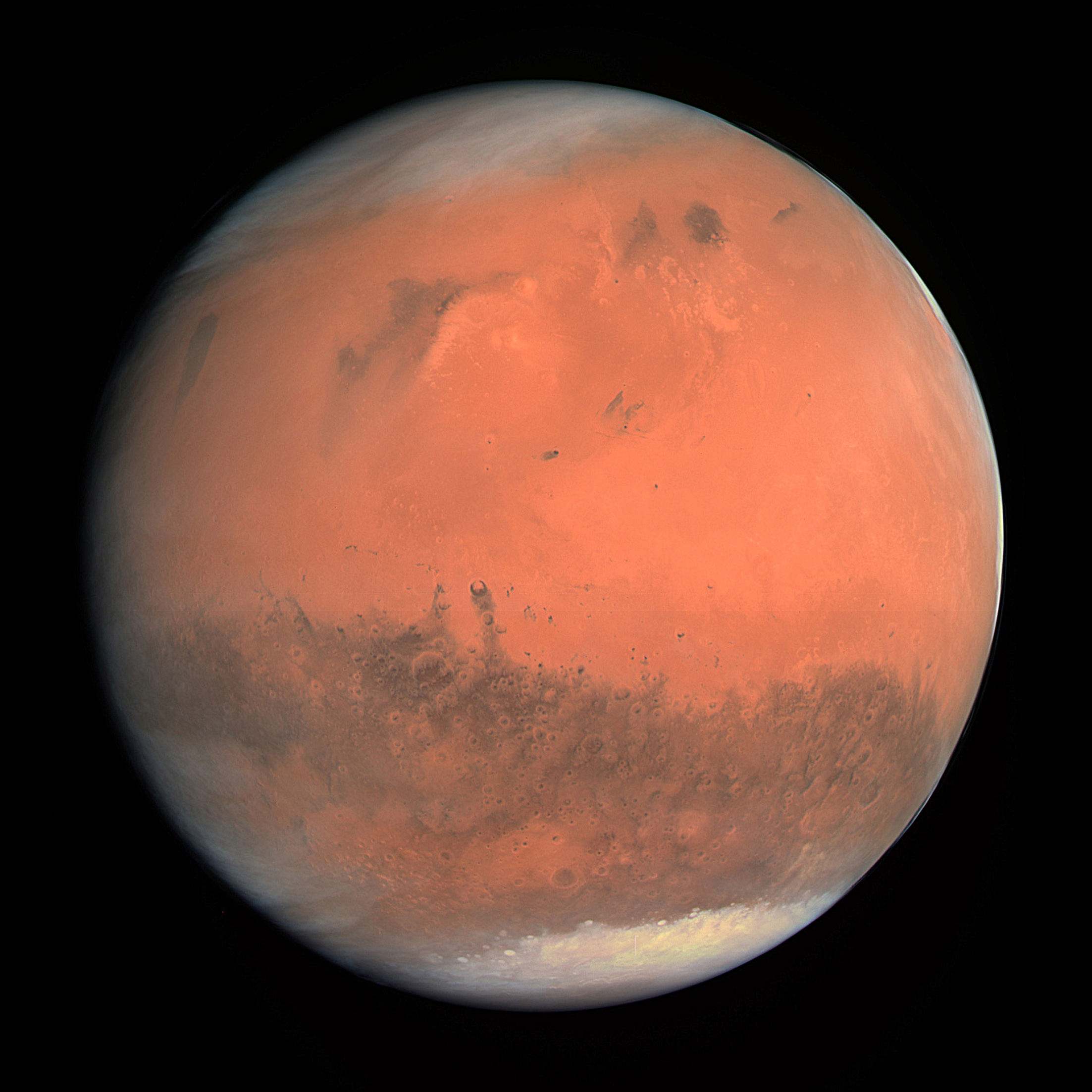
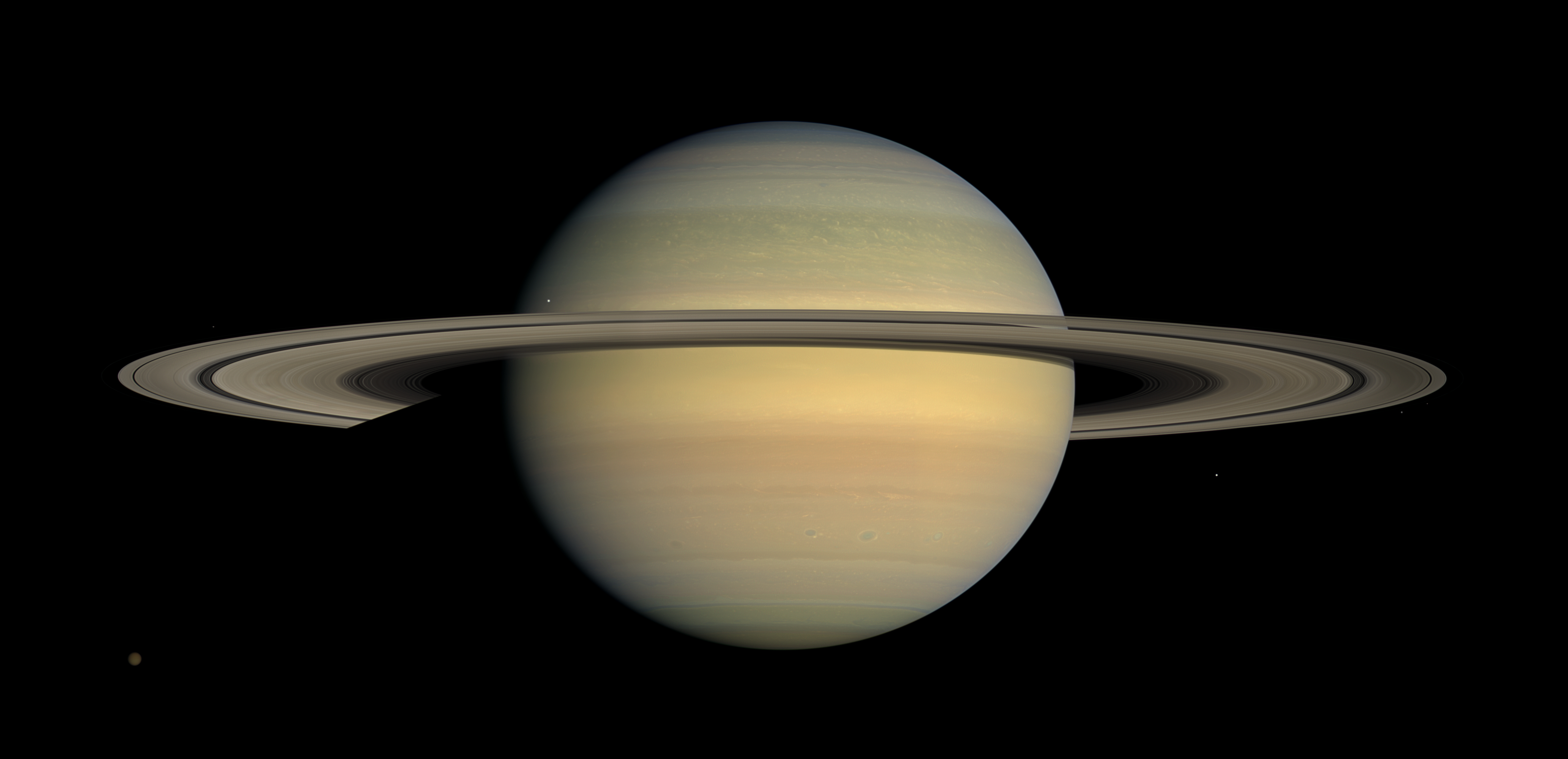
If you see a very bright, steady object after sunset or before sunrise, it may be Venus or Jupiter. Mars can look orange-red, while Saturn is usually dimmer. The map check helps narrow the answer for your location.
If the object appears close to the Moon, use the what's next to the Moon tonight guide to compare nearby planets and bright stars in the same local sky view.
Venus is often the brightest planet when it is visible, followed by Jupiter in many situations. But the brightest planet you can actually see tonight depends on which planets are above your horizon while your sky is dark enough.
It means the planet is estimated to be high enough above your horizon while the Sun is low enough for twilight or darkness. The check does not know your exact cloud cover, buildings, trees or local street lights, so a very low planet can still be difficult in real life.
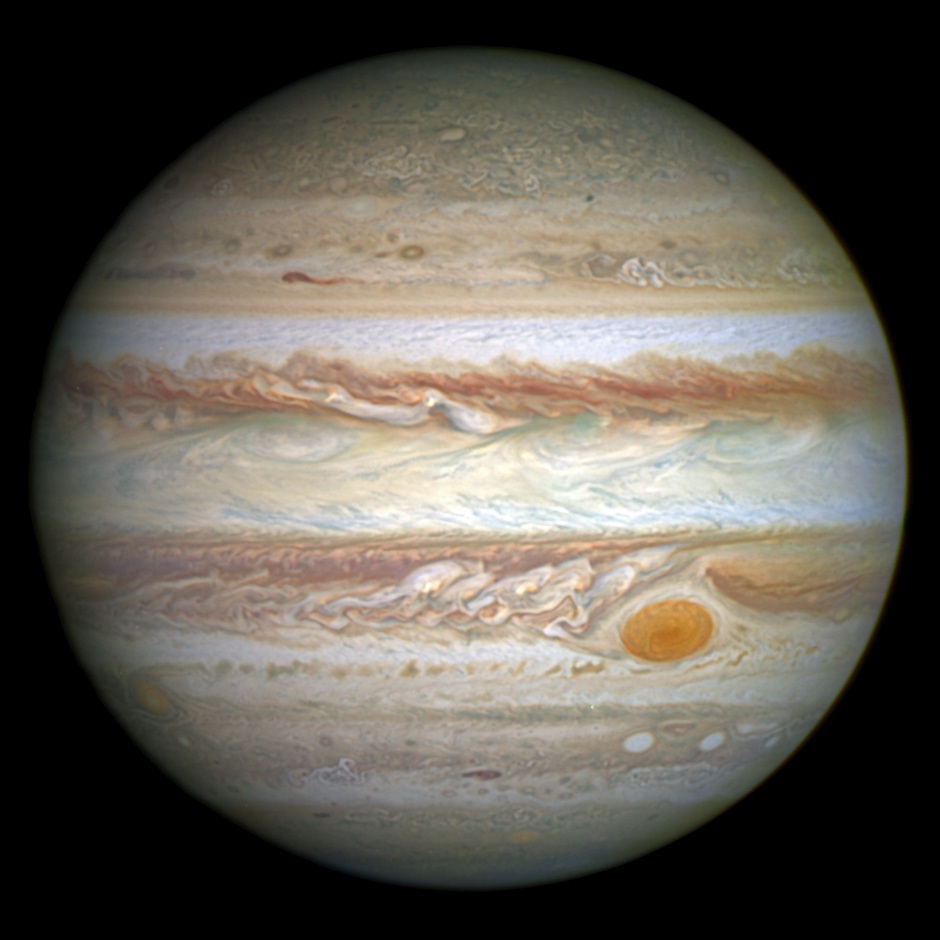
Yes. Mercury, Venus, Mars, Jupiter and Saturn can all be visible without a telescope. A telescope is useful for details such as Saturn's rings or Jupiter's cloud bands, but it is not required to spot the planets as points of light.
Mercury stays close to the Sun from our point of view, so it is usually low in twilight near sunrise or sunset. Even when it is bright, haze, buildings and a bright horizon can hide it.
Planets are much closer than stars and reflect sunlight. Venus and Jupiter can reflect enough light to become brighter than any star in the night sky.
A planet's position in its orbit changes its apparent angle from the Sun as seen from Earth. Inner planets such as Mercury and Venus stay close to the Sun in the sky, while outer planets such as Mars, Jupiter and Saturn can appear far from the Sun and remain visible for longer parts of the night.
Celesiq lets you follow the Sun, Moon, planets and spacecraft on a live world map. Set your location, move through time and compare which objects are above your horizon.
Start with the quick check above, then open the full interactive map when you want more control over time, selected objects and visibility searches.