Moonrise guide
What time does the Moon rise tonight? Moonrise from your location
Wondering when the Moon will rise tonight? Use the quick check below to estimate moonrise, moonset, the current Moon phase and whether the Moon is already above your horizon.
Quick answer
Moonrise time tonight is different for every location. Enter your city or coordinates below to check when the Moon comes up tonight, when it sets, what phase it is in and whether it is already visible above your horizon.
Quick check
Check tonight's moonrise
Enter coordinates, use your browser location, or type a city while the site is online. The map stays on this page and jumps to the estimated moonrise moment, so you can compare moonrise and moonset tonight without leaving the guide.
Place lookup works on the live site. For local testing, use coordinates like 52.37, 4.90.
Why moonrise time depends on where you are
Moonrise is local. It is the moment the Moon crosses your horizon, so the answer changes with your latitude, longitude, date and even the shape of the horizon around you. A person in Amsterdam, New York or Sydney can see a different moonrise time on the same night.
The Moon also moves through its orbit while Earth rotates. Because of that motion, the Moon usually rises later from one night to the next. The shift is often close to an hour, but it can be shorter or longer depending on the Moon's path through the sky and your latitude.
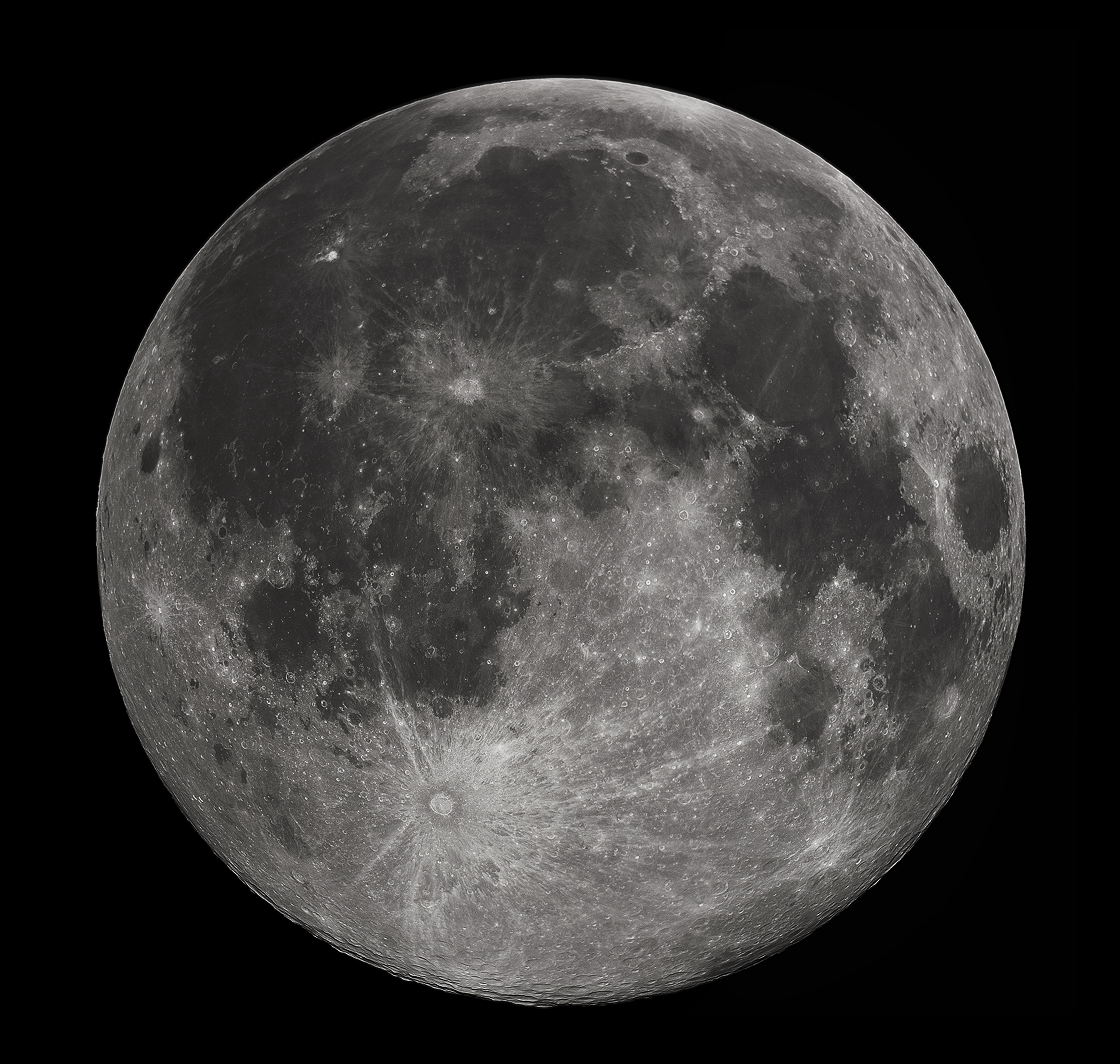
Why the Moon may rise during the day
The Moon is not only a night object. Around first quarter, it often rises before or during the afternoon and stays visible into the evening. Around full Moon, it rises near sunset. Around last quarter, it can be high in the morning sky. That is why the question "what time does the Moon rise tonight?" sometimes has a surprising answer: the Moon may already be up.
This is also why moonrise and Moon phase should be checked together. A thin crescent can be low and difficult to see in twilight, while a bright full Moon can rise near sunset and stay visible for most of the night.
How to use the moonrise quick check
The quick check estimates the Moon's altitude from your selected location and searches for the next horizon crossing. It then shows the Moon's phase, illumination and a map view for the calculated moment.
- Use a city name when the site is live, or enter coordinates directly.
- Check the result time in your device time zone.
- Use the map preview to see where the Moon is above Earth at that moment.
- Remember that buildings, hills and clouds can still block the real view.
Moonrise is the Moon crossing your local horizon, not simply the Moon phase.
Moonrise and moonset tonight are connected to Moon phase
The Moon's phase gives a useful clue about when it rises. A new Moon rises near the Sun and is difficult to see. A first quarter Moon is often an evening object. A full Moon rises near sunset and sets near sunrise. A last quarter Moon is usually easier to see after midnight or in the morning.
Still, phase alone is not enough. Your exact location and date determine the real moonrise and moonset times. That is why a live, location-based check is more useful than a generic moonrise table. If you mainly want to know what the Moon should look like, use the Moon phase tonight guide next.
If the Moon is already up and you see a bright point beside it, the what's next to the Moon tonight guide can help identify the nearby planet or star from your location.
Sources and Method
The moonrise quick check estimates when the Moon crosses your local horizon for the selected date and location. It is designed for practical skywatching, not for scientific timing or navigation.
- The result uses your selected city or coordinates and your device time zone.
- Moonrise and moonset are estimated by scanning the Moon's altitude around your local horizon.
- Real visibility can change because of hills, buildings, trees, clouds and the exact shape of your horizon.
Frequently asked questions
What time does the Moon rise tonight?
Moonrise time depends on your exact location and date, so there is no single worldwide answer. A city on the same date can have a different moonrise time than another city because the Moon crosses each local horizon at a different moment.
Use the quick check on this page to estimate tonight's moonrise for your city or coordinates. The result is approximate and shown in your device time zone.
Why does moonrise time change every day?
The Moon moves eastward around Earth each day. Earth therefore has to rotate a little farther before the Moon reaches your horizon again, which is why moonrise usually happens later each night.
The shift is often close to an hour, but it is not fixed. Your latitude, the season and the Moon's changing path through the sky all affect how much tonight's moonrise differs from tomorrow's.
Can the Moon rise before sunset?
Yes. The Moon can rise while the Sun is still up, especially around first quarter and waxing gibbous phases. If the sky is clear and the Moon is bright enough, you may see it before the sky is fully dark.
Around full Moon, moonrise often happens close to sunset. Around last quarter, the Moon is more likely to be visible late at night or in the morning sky.
Is moonrise the same as Moon phase?
No. Moonrise is a local time when the Moon crosses your horizon. Moon phase describes how much of the Moon's illuminated side faces Earth. The two are related, but they answer different questions.
A full Moon often rises near sunset, while a thin crescent may rise or set close to the Sun and be harder to see. That is why checking both moonrise time and Moon phase tonight gives a more useful skywatching answer.
Why is there sometimes no moonrise tonight?
Near some dates and locations, the Moon may already be above the horizon at the start of the night, or the next rise may occur after midnight or later the next day. At high latitudes, Moon visibility patterns can become especially unusual.
Track the Moon on the live map
Open the interactive Celesiq sky map to follow the Moon, Sun, planets and satellites in real time, or jump through time to compare different nights.
Open the interactive map